THE BURNOUT ERA: WHY ESCAPING LIFE IS NO LONGER WORKING.
Modern life is increasingly defined by intensity.
Long work hours, constant digital connectivity, and rising performance expectations have made chronic stress a near universal condition.
For years, the prevailing solution has been escape. Short breaks, long weekends, and holidays designed to provide temporary relief.
Travel became the modern reset button.
For a brief period, routines loosen and pressure subsides. But the effect is short-lived. Inboxes refill, schedules tighten, and the familiar pace quickly returns, often within days.
Research continues to confirm what many experience firsthand.
Studies published in the Journal of Occupational Health show that the stress-reducing effects of vacations often fade within a week. Meanwhile, the American Psychological Association reports that more than 70% of adults feel stressed on a daily basis, including those who travel frequently.
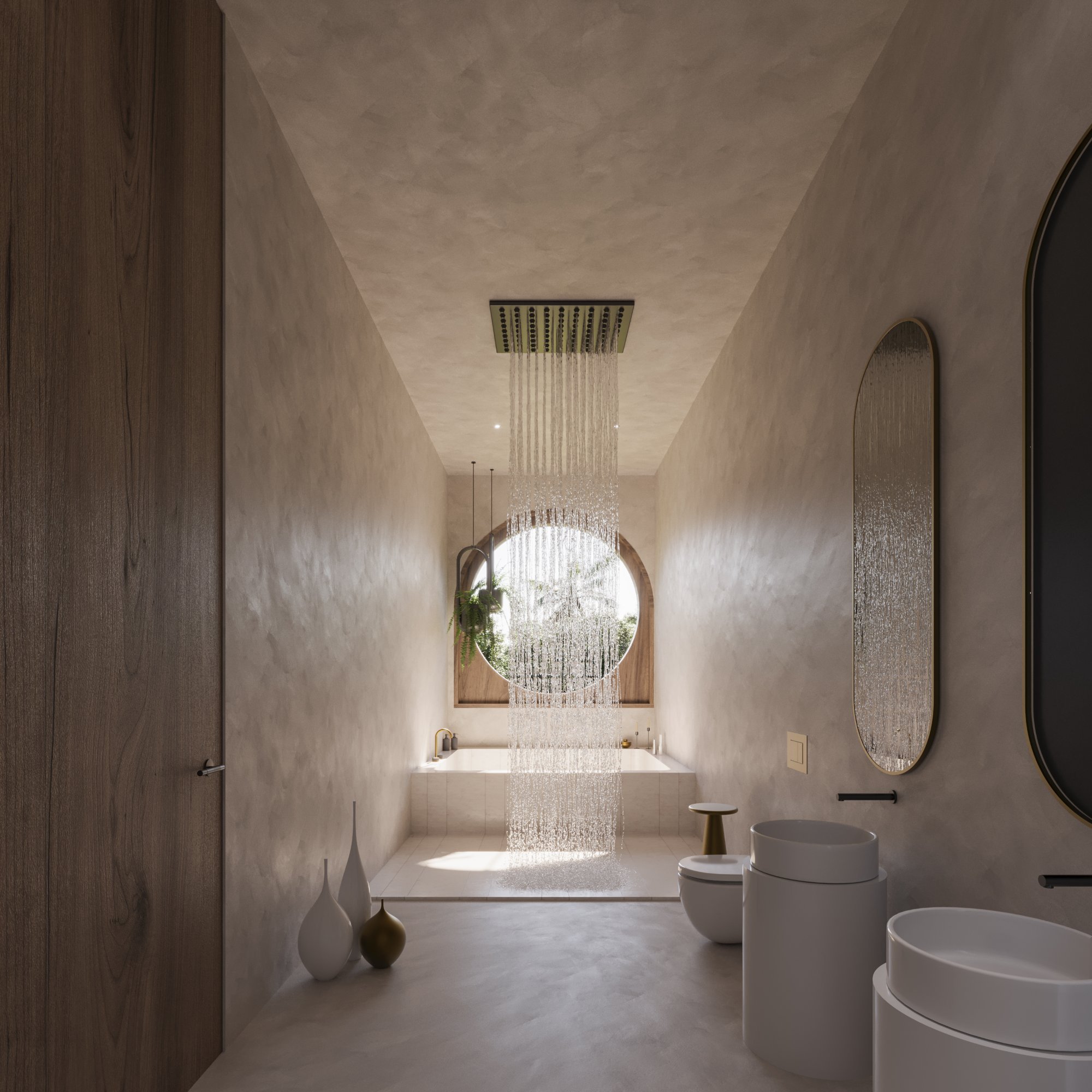
Bathroom, Los Arcos - The Genesis Collection, Riviera Maya, Mexico.
The issue isn’t a lack of time away.
It’s the structure of everyday life itself.
Contemporary environments keep the nervous system in a constant state of stimulation.
Continuous notifications, artificial lighting late into the evening, dense schedules, and cognitive overload drive prolonged elevation of cortisol. This is now closely linked to anxiety, disrupted sleep, weakened immunity, and long term burnout.
Short breaks may relieve symptoms, but rarely create lasting recovery.
Even travel has evolved into a higher-effort experience.
Tightly packed itineraries, crowded transit, constant movement, and the pressure to maximize every moment often replace genuine rest.
Many return entertained, but not fully restored.
As a result, a measurable lifestyle shift is underway.
Across real estate, architecture, and hospitality, demand is rising for environments intentionally designed around wellbeing. Homes and communities that prioritize natural light, greenery, quiet, airflow, and slower rhythms of living are no longer niche, they are increasingly viewed as essential.
Developers and designers are responding by integrating biophilic principles, wellness-focused layouts, and nature connected spaces into residential projects worldwide.
This movement is supported by a growing body of research. Studies from leading institutions including Harvard and Stanford demonstrate that exposure to natural environments lowers stress hormones, improves cognitive function, enhances mood, and reduces symptoms of anxiety and fatigue. Even modest design choices like daylight, open space, natural materials, and greenery all significantly impact mental and physical wellbeing.
Wellness is increasingly being designed into daily life, rather than scheduled around it.
Consumer behavior reflects this change. Long-term stays now represent one of the fastest-growing global travel segments, signaling a move away from short escapes toward extended living experiences. People are seeking places where lifestyle, work, and restoration can coexist over time, blurring the line between home and retreat.
Neuroscience offers further insight into this shift. While novelty stimulates excitement and dopamine response, the brain reaches deeper states of calm in familiar, safe environments.
This helps explain the growing preference for returning to restorative locations rather than constantly chasing new destinations.
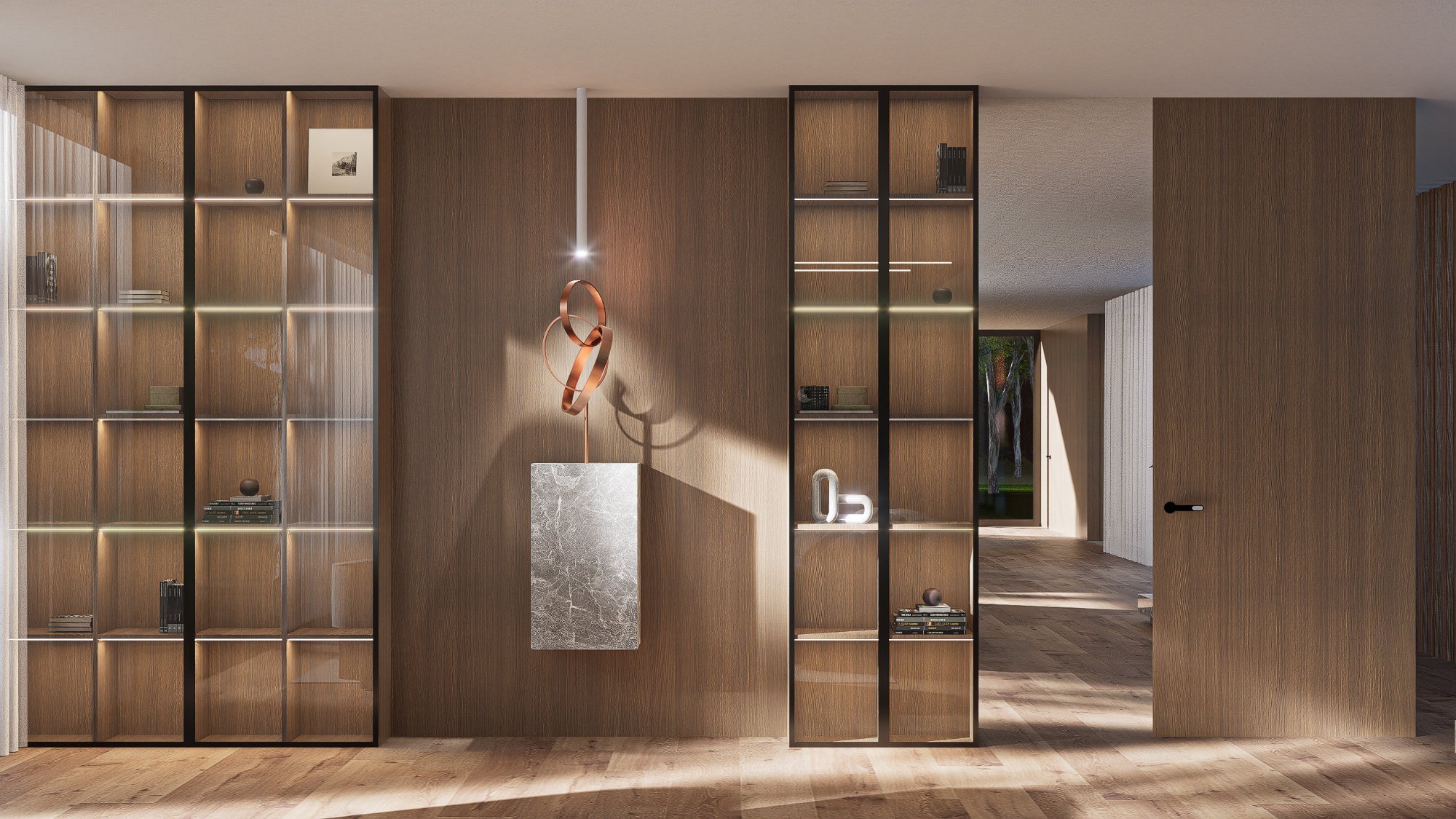
Living Area, Ananda - The Genesis Collection, Riviera Maya, Mexico.
Places are becoming long term anchors.
Not temporary retreats, but environments that support balance, focus, and recovery.
What’s emerging is a recalibration of how people define success and quality of life.
Rather than measuring fulfillment through speed, busyness, or the volume of experiences, there is increasing emphasis on sustainable lifestyles where rest is integrated, surroundings actively support wellbeing, and ambition is balanced with thoughtful design.
The impact is subtle but significant.
Less dependence on constant getaways.
More investment in everyday quality of life.
Greater focus on environments that promote long term health.
Across global markets, the meaning of luxury is evolving.
Homes are replacing hotels.
Consistency is replacing constant movement.
Healing environments are becoming the new standard of living well.
Not because adventure matters less.
But because wellbeing is no longer something people want to visit occasionally.
It is something they now expect to live with every day.
contact us