VOICES OF L'TOPIA: PATRICIO ABACA ON CREATING L'TOPIA'S MATERIAL INTELLIGENCE

We sat down with Patricio Abaca, the interior architect behind L'TOPIA to understand his approach in creating spaces that do more than look refined.
For Abaca, design is about how environments act on the people who live in them.
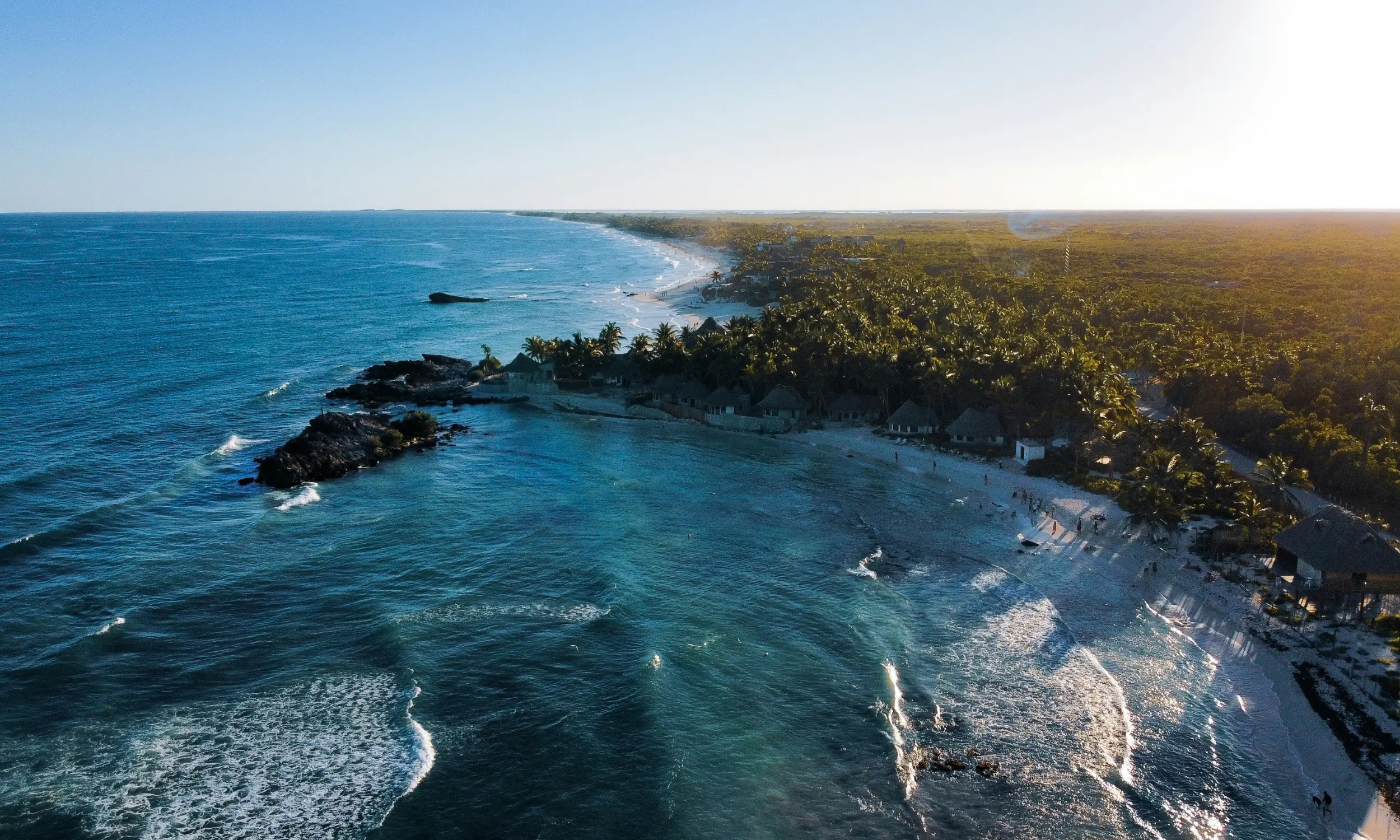
Patricio Abaca's first step designing L'TOPIA's residences wasn't sketching floor plans. It was spending time understanding the site itself, observing where shadows would fall at different hours, how air moves naturally across the site, how temperature shifts between morning and afternoon and the acoustic character of the location.
"You can't design for a place until you understand what it will do," he says. "Most projects start with imposing a vision, but this started by understanding the conditions first."
As director of Eros Design Studio and the interior architect behind L'TOPIA's six residences, Abaca works from a premise most luxury developers overlook. Built environments act on occupants continuously, processing sensory information the body registers below conscious awareness.
A surface that stays cool underfoot changes how you move through a space. Acoustic properties can make conversation feel effortless or subtly draining. Air circulation affects sleep quality and how clearly you think the next morning. Light transmission alters how a room feels as the day progresses. Abaca treats these as physiological conditions that need to be designed for, not aesthetic details that happen by accident.
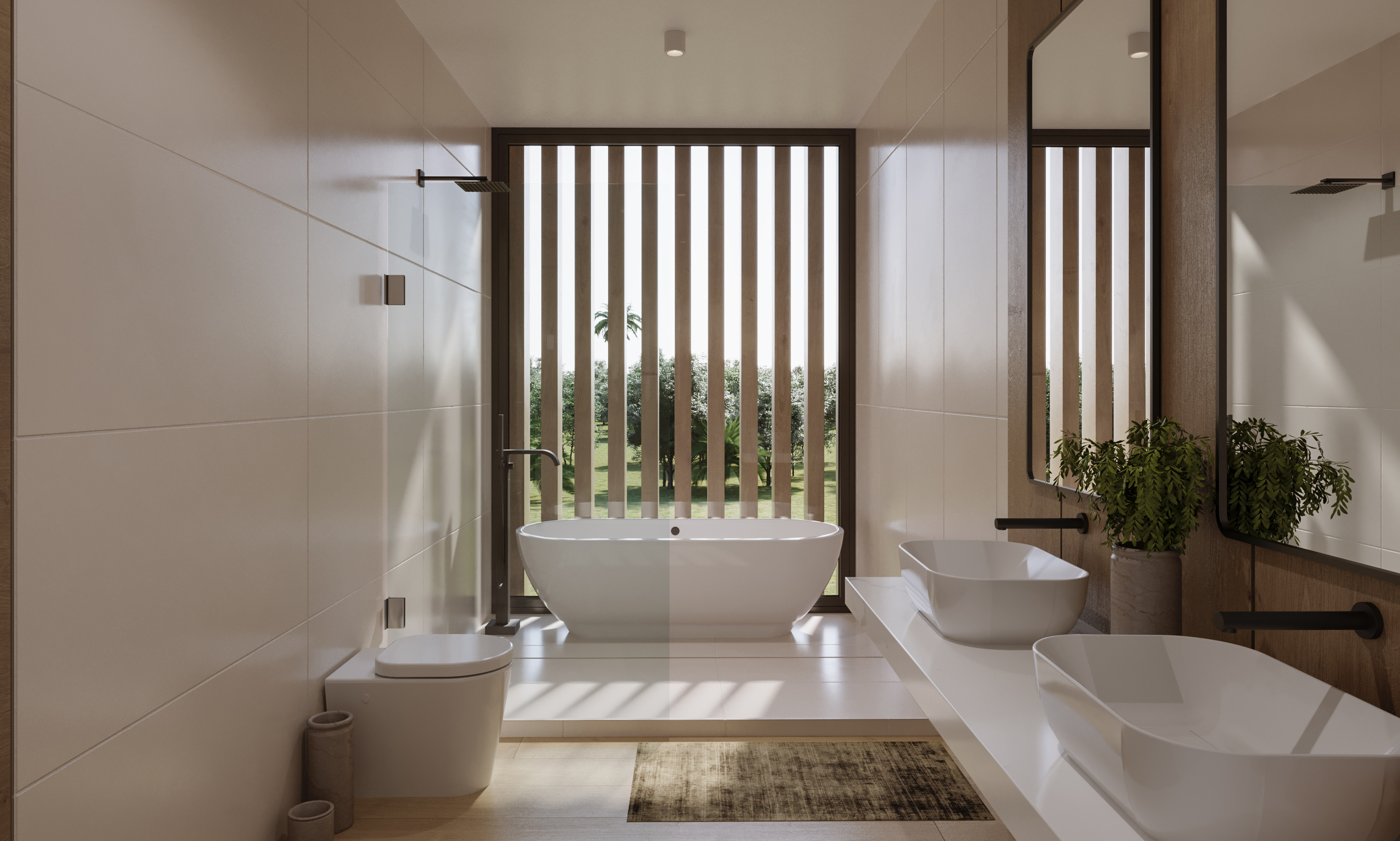
Bathroom, Villa Ananda - The Genesis Collection, Riviera Maya, Mexico.
"Materiality transmits," Abaca explains. "Color when you see it, texture when you touch it, thermal properties through how warmth or coolness moves through a room. Most of what good design does, you never consciously notice, but your nervous system registers all of it."
This understanding led to material decisions that deviate from standard luxury practice. Local stone selected for thermal mass rather than appearance, wood sourced regionally because it expands and contracts predictably with Tulum's humidity rather than fighting it, glass positioned to maximize cross-ventilation so mechanical systems become backup rather than baseline. The architecture responds to climate instead of resisting it, which creates spaces that feel naturally comfortable rather than artificially controlled.
Abaca's background in product design shows up in how he approaches furniture and fixtures, designing pieces that account for how people actually inhabit spaces over time rather than selecting from catalogs. A dining table height that works equally well for seated meals and standing conversations, bedroom cabinetry with soft close mechanisms calibrated to near silence, seating that supports multiple postures rather than enforcing one position.
"Comfort isn't ergonomic specifications," he notes. "It's whether someone can be in a space for hours without accumulating small physical tensions they don't even realize are building."
The work extends into granular details.
Door hardware weighted so opening feels effortless but controlled, ceiling heights calibrated for acoustic performance rather than visual impact, shower drainage designed so water sound absorbs rather than echoes sharply. Each decision either reduces sensory friction or creates it, and Abaca approaches them with the understanding that small accumulations matter over time.
"Everything has a purpose, everything serves a function," Abaca says. "When I started in design, that's when I understood this principle. You're creating conditions, not just decorating."
.jpg)
Living Room, Hacienda - The Genesis Collection, Riviera Maya, Mexico.
For Abaca, design is how he expresses his understanding of how environments should support human function, and he does this through reduction of unnecessary demand rather than through complexity. Spaces where attention can settle, where the body doesn't have to constantly adapt to conflicting sensory information, where thought has room to develop without environmental noise pulling focus elsewhere.
"Design should engage all five senses," he says, "but engagement doesn't mean stimulation. You want sensory coherence and natural texture that's pleasant to touch. Visual interest that doesn't create chaos, ambient sound that masks intrusive noise without being noticeable itself.
"The goal is designing for how a space feels to live in over time," he says. "How it supports the person inhabiting it, not just how it presents."
For someone whose work involves problems that don't resolve in a single session, the space around them becomes more than backdrop. It either supports sustained thought or quietly works against it.
"A building should feel like it grew from the site, not landed on it," Abaca notes. "When this happens, the boundary between inside and outside becomes porous. You're participating in a place rather than being sealed away from it."
His creative process centers on understanding what a space needs to accomplish, then removing everything that interferes. "Creativity," he says, "is having the clarity to see what's essential and the discipline to remove what isn't."
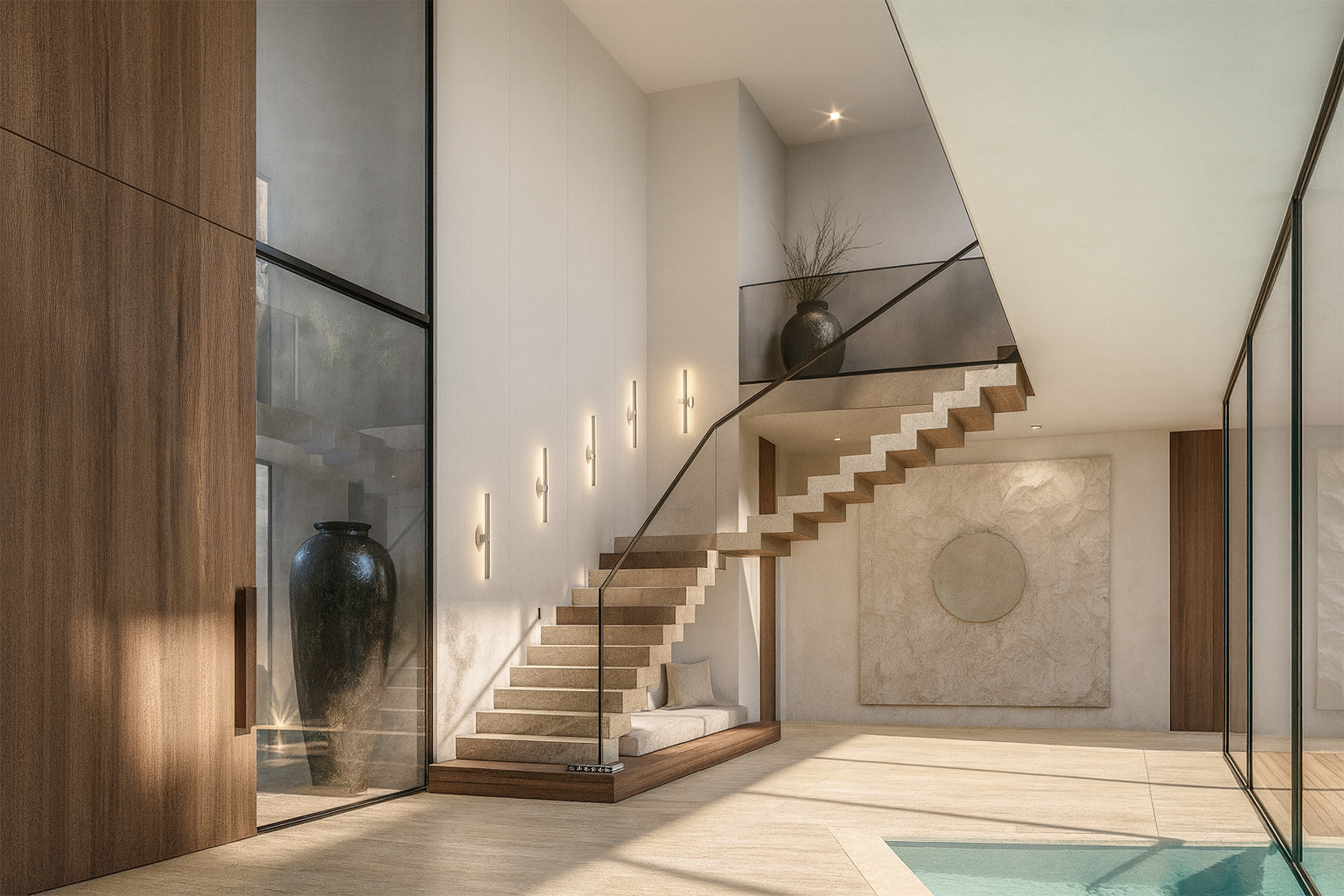
Casa Zapote - The Genesis Collection, Riviera Maya, Mexico.
For Abaca, design is ultimately about expression, his way of showing how he understands the world and what he believes spaces should do for the people who live in them. "It's how I make people understand what I want them to feel, what I'm projecting," he explains. The measure of success isn't visual impact but whether someone can inhabit a space for years and feel it continues to work with them rather than requiring constant adaptation.
L'TOPIA's residences carry this principle through every scale, from how the architecture sits on the land to how a door handle rests in your palm. The work is environmental design in its truest form, building conditions where attention can settle and remain settled.
"Explore the Residences. Request Private Access."
contact us