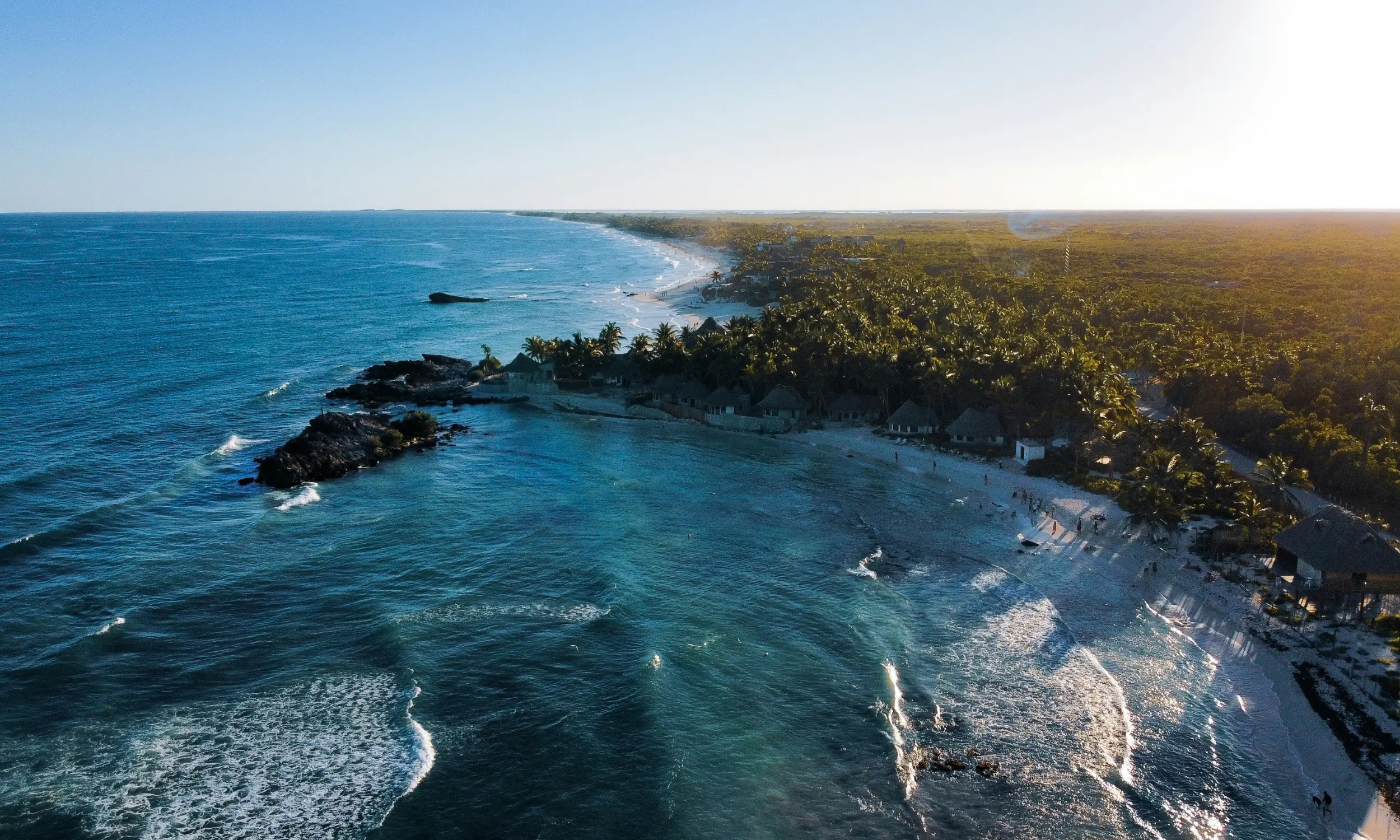
REALISMO MEXICO - CULTURAL REALISM : WHERE THE REAL AND THE MAGICAL WERE NEVER STRANGERS
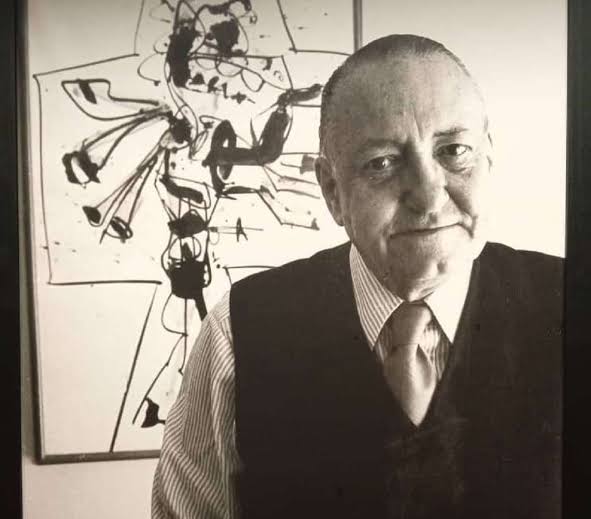
"In 1949, the Cuban writer Alejo Carpentier returned from Europe and set down a phrase that would shape a century of Latin American storytelling: lo real maravilloso, the marvellous real".
In most places, the real and the magical are kept in separate rooms. Here, on this stretch of the Riviera Maya, they were never introduced as strangers. They share a table. They finish each other's sentences. To spend time in this part of Mexico is to slowly understand that the division you carried in with you was always a little artificial.
We call this cultural realism. The phrase has a lineage. In 1949, the Cuban writer Alejo Carpentier returned from Europe and set down a phrase that would shape a century of Latin American storytelling: lo real maravilloso, the marvellous real. His argument was that the surrealists in Paris were straining to fabricate a marvellous that already existed, unforced, in the geography, the history, and the beliefs of the Americas. The wonder here was found rather than added. Cultural realism, as we mean it, is the same instinct carried into how a place is built and lived: the ordinary truth that the ordinary, here, is already enough, and needs no exaggeration to be remarkable.
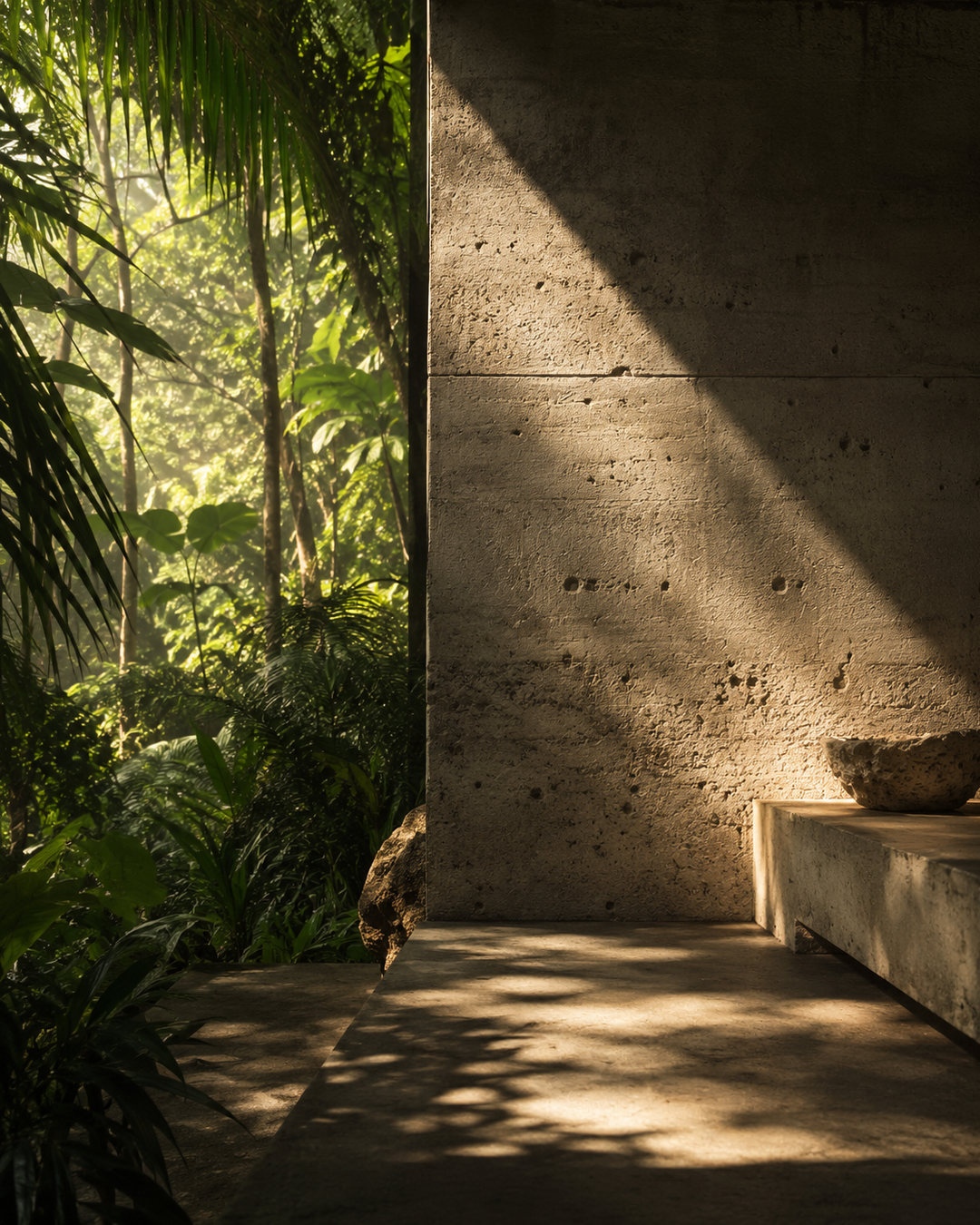
A WALL POURED FROM THE EARTH IT STANDS ON
Begin with the building itself, because that is where the idea stops being abstract.
A wall here is often poured from the same ground it rises out of. Chukum, the lime-based finish used across the Yucatán for centuries, is made from the bark of a regional tree boiled down and mixed with limestone. Its colour comes from the place rather than from a chart, applied by hand, holding the mark of the person who applied it. It breathes in the humidity rather than fighting it, takes on a soft, waxy patina with age, and weathers the way the land weathers, slowly and with character. A wall like this is continuous with the landscape rather than set down upon it. At Hacienda, designed by Guillermo Alcocer, these walls were finished by the same families of artisans his Yucatán hacienda projects have relied on for the better part of four decades.
Light behaves the same way. In the right room, late in the afternoon, the light does not so much enter as move, the way water moves, finding the low places, pooling, shifting as the hours turn. The deep overhangs and thick walls that the climate demands are the same features that choreograph that light, so the practical and the beautiful turn out to be one decision. By dusk you stop noticing the exact line where the building ends and the jungle begins. The architecture and the environment speak the same sentence.
This is the first thing cultural realism asks of a home: that it belong to the place rather than be placed upon it.
THE CEIBA HOLDS THE SKY UP
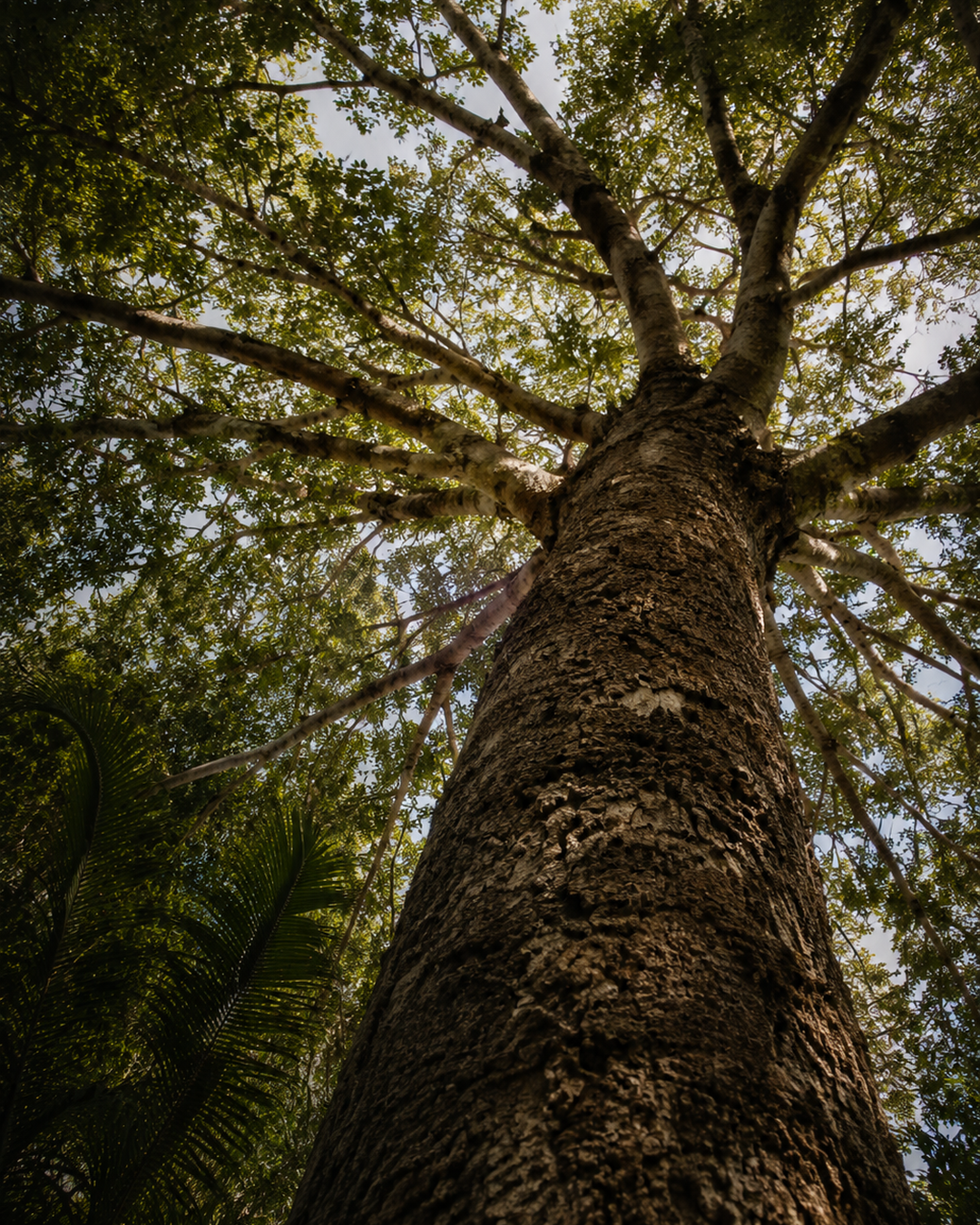
The people here will tell you that the ceiba tree holds up the sky. They are not speaking figuratively, and they are not wrong.
The ceiba, the yáaxche of the ancient Maya, sat at the centre of the cosmos. According to the Popol Vuh, the gods planted a ceiba at each corner of the world, a red one in the east, a black in the west, a yellow in the south, a white in the north, and a fifth at the centre, whose roots reached down through the nine layers of Xibalba, the underworld, and whose branches rose through the thirteen layers of the heavens. It was the axis mundi, the road along which souls and gods could travel between the worlds. The Maya planted ceibas at the heart of their cities to mark that centre, and laid out their architecture around the same fourfold order.
You can read all that as cosmology. You can also stand beneath one of these trees, a grey trunk that can rise past fifty metres, buttressed roots taller than a person, a canopy so wide it makes its own shade and its own weather, and feel that the description is simply accurate. A mature ceiba can be centuries old; some living specimens are counted in the many hundreds of years. The botany and the belief reinforce rather than cancel each other. They describe the same tree from two true angles.
Learning to live here is learning to hold both at once. The fact and the feeling. The land surveyor's measurement and the grandmother's account of why that particular tree was never cut. Both are the same knowledge, kept in two languages.
CRAFT AS MEMORY
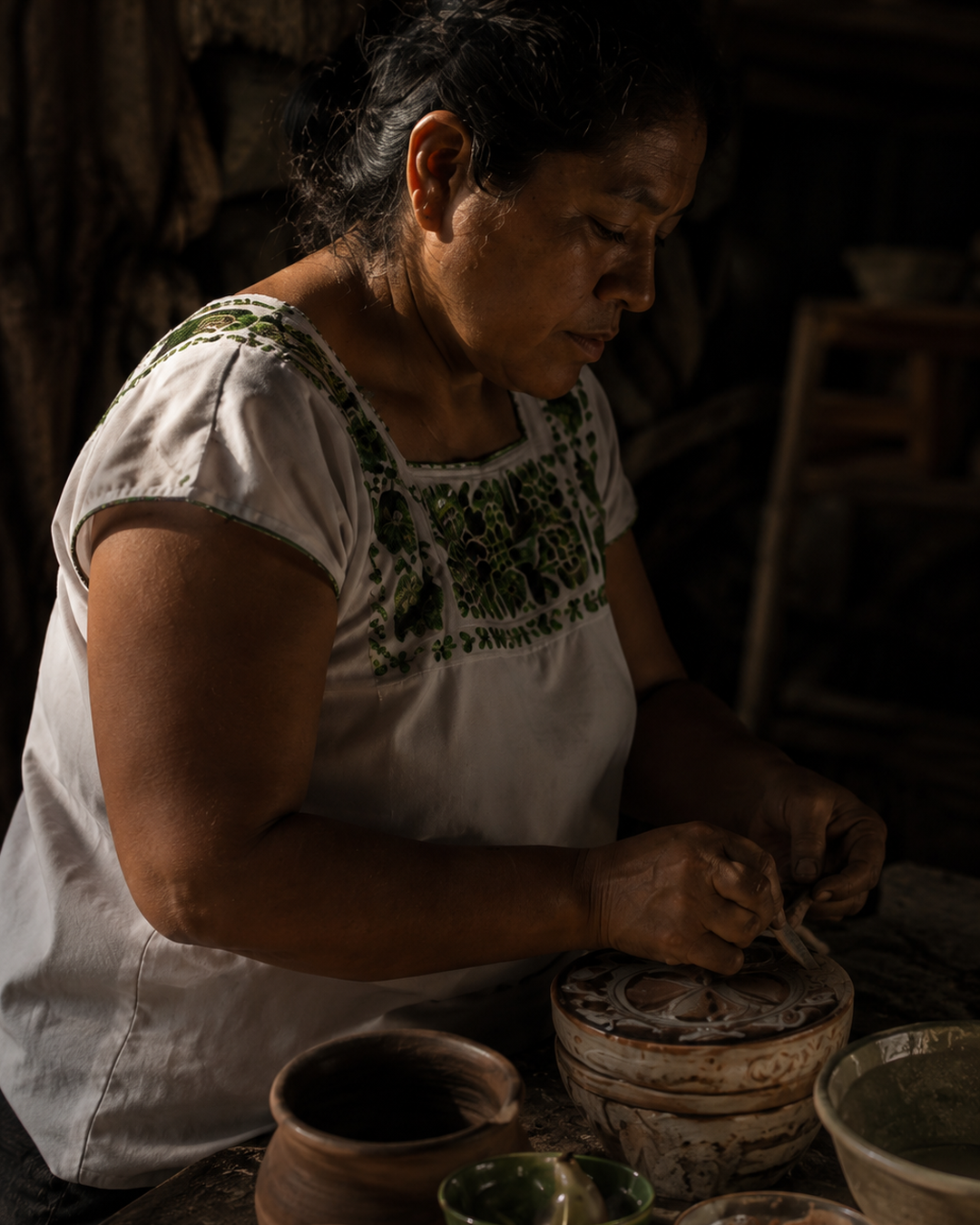
The same logic runs through the work of the hands.
When an artisan finishes a wall in chukum, lays a floor of regional hardwood, or sets stone pulled from nearby, the skill in their hands was carried down through generations who built in this climate and learned exactly what it punishes and what it rewards. Heat, salt air, intense light, and humidity are honest critics. They expose shortcuts within a few seasons. What survives is what was made by people who already knew the answer, because their predecessors had paid for it.
Craft here is memory made physical. A surface that looks simple is often the visible end of a long line of people who knew precisely why it should be done this way and no other. Choosing these materials and these methods is choosing continuity over novelty, and letting a home carry more time than its own construction took to complete.
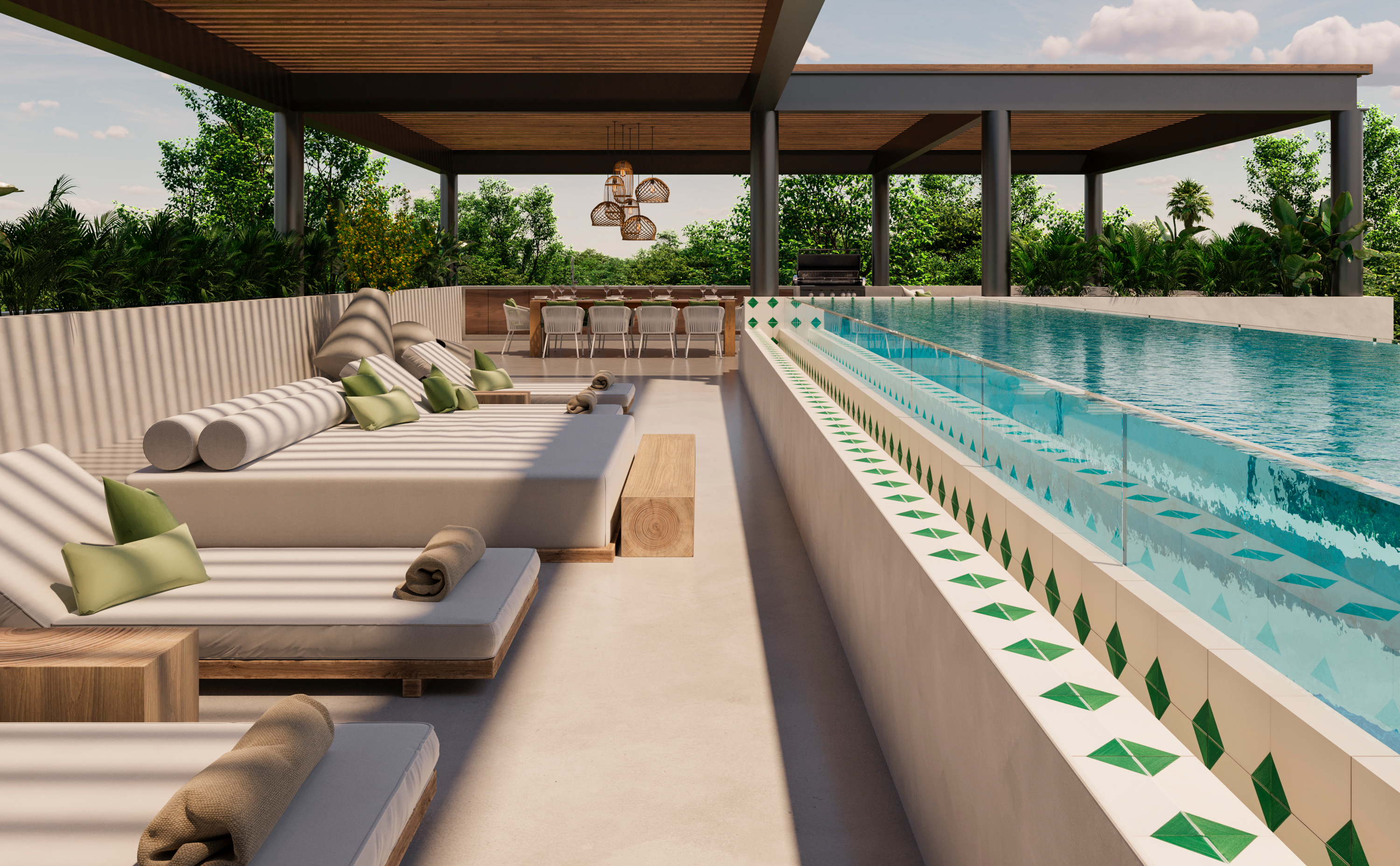
In Pino Suárez, where L'TOPIA's Genesis Collection sits, this knowledge is still actively kept. The chukum on the walls, the tzalam and parota underfoot, the Zapote and Teak worked into the interiors are not chosen from a catalogue. They are drawn from the same ground and the same hands that have always built here. The artisans who finished Hacienda are part of that lineage.
WHAT CULTURAL REALISM IS NOT
This needs saying plainly, because the temptation is always to flatten it.
Cultural realism refuses two common flattenings. The first reduces the country to a postcard, a predictable palette of bright paint and folkloric shorthand that stands in for a place without ever touching it. The second invents mysticism, layering manufactured spirituality over a property to give it an aura it never earned. That second flattening is exactly the one Carpentier warned against: the marvellous fabricated by people who do not believe it, sold to people who will not stay long enough to know the difference.
Cultural realism is the refusal of both. It is the quieter claim that you do not need to exaggerate this place to make it extraordinary, and you do not need to sand it down to make it legible. The ordinary truth is enough. The wall and the ground are related. The tree is both organism and axis. The skill in a craftsman's hands is older than the craftsman. All of it is simply the case, without heightening.
BUILDING INSIDE THE UNDERSTANDING
We built L'TOPIA inside that understanding.
The distinction carries the whole idea. To build above a place is to treat it as a backdrop, a beautiful view to frame and a culture to reference from a safe distance. To build inside it is to accept its terms: to use what the ground offers, to work with the light instead of correcting it, to let the jungle keep its say at the edges, and to trust the people whose hands have always known how to make something last here.
At Hacienda, this distinction is structural rather than decorative. The arches, the timber beams, the stone and the plaster are not references applied after the fact. They are the thing holding the house up. The beams that cross overhead are not there to suggest a hacienda. They carry the roof. A house built this way cannot be separated from the idea behind it, because the idea is load-bearing.
The architects we have worked with share this instinct. Ulises Del Llano designed Paradiso, Ananda, and Aire, the last in collaboration with Patricio Abaca. Guillermo Alcocer designed Hacienda. Each villa carries the principle differently. None treat the place as a backdrop.
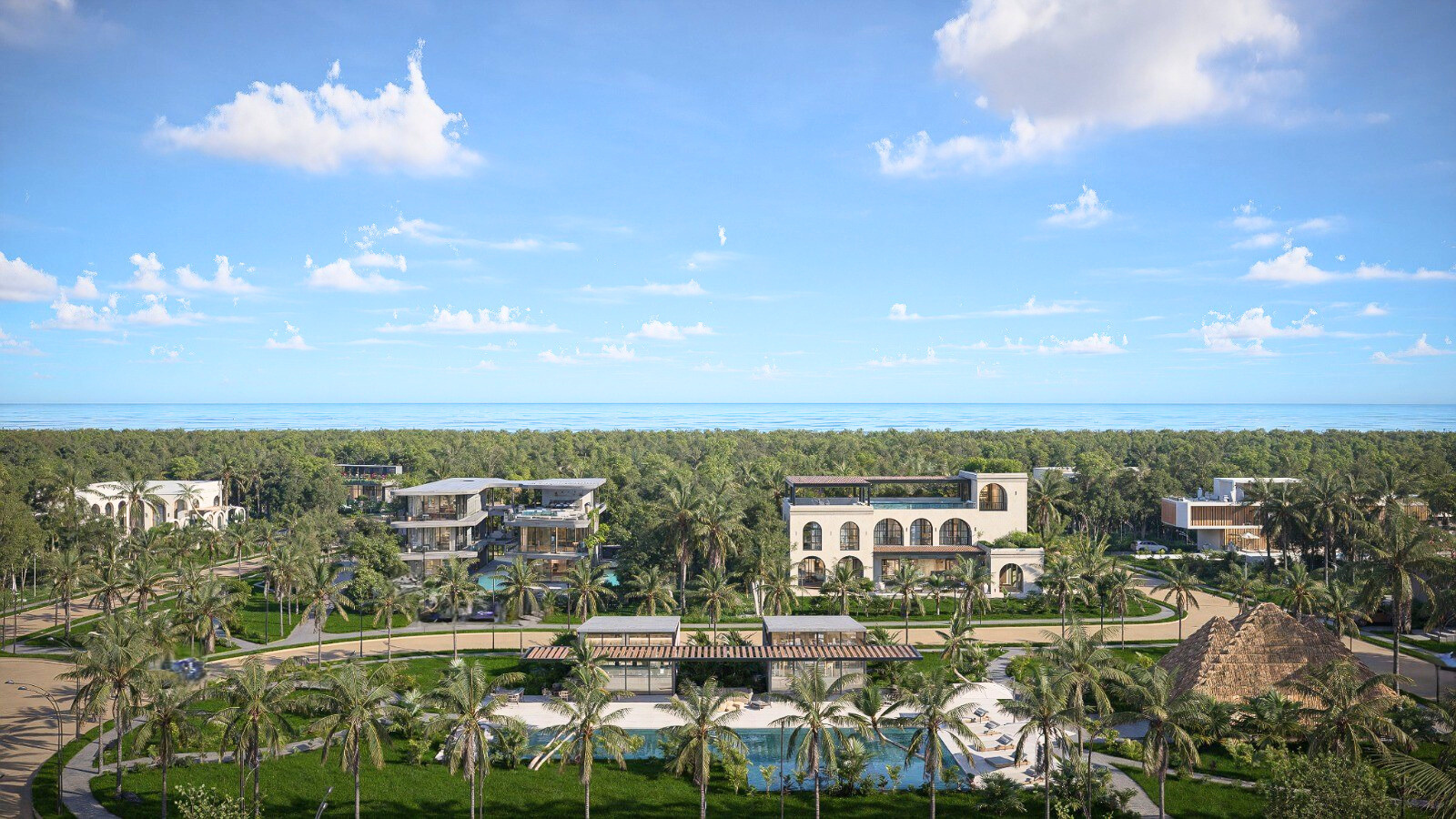
The result is a home continuous with the Riviera Maya, where the materials come from nearby, where the architecture follows the logic of the climate rather than overriding it, and where the line between the built and the living is allowed to stay soft.
To live this way is to stop choosing between the real and the magical. It is to let them be, as they have always been here, the same thing.
Across the L'TOPIA Journal we keep returning to the places, the people, the materials, and the traditions that shape life in the Riviera Maya. Cultural realism is the ground all of it stands on. It is the understanding everything else we write grows out of, and the reason we build the way we do.
contact us